Best Garage Door Material for a Florida Home
For most Florida homes the right choice is 24 or 25 gauge galvanized steel in a wind-rated or impact-rated version, installed from $950 to $3,000. Within a few miles of the coast, aluminum with impact glass ($1,300 to $4,000, more with full glazing) or fiberglass ($1,400 to $3,800) avoids rust. Wood ($2,200 to $9,000) belongs on a house that calls for it and an owner who will refinish it and watch for termites. Vinyl ($1,100 to $2,800) suits a garage that takes abuse. Every material is sold in a rated version, and hurricane-rated doors start around $1,800.
The short version
| Material | Installed, single door | Rated version | Choose it when |
|---|---|---|---|
| Steel | $950 to $3,000 | Wind-rated and impact-rated, widest choice | Most homes. Cheapest strong option |
| Vinyl | $1,100 to $2,800 | Wind-rated with reinforcement, fewer models | The garage takes abuse |
| Aluminum | $1,300 to $4,000 | Impact-rated with laminated glass, up to $8,000 and above full view | Coastal, or a contemporary glass door |
| Fiberglass | $1,400 to $3,800 | Wind-rated over a steel frame, fewer models | Coastal, and you want the look of wood |
| Wood | $2,200 to $9,000 | Wind-rated in some lines, rarely impact-rated | The house genuinely calls for it |
Hurricane-rated versions of any material start around $1,800 installed, and every price here includes the permit pulled by a licensed contractor. Full prices are on the new door installation page and the hurricane-rated door page.
Steel, and why it is usually the answer
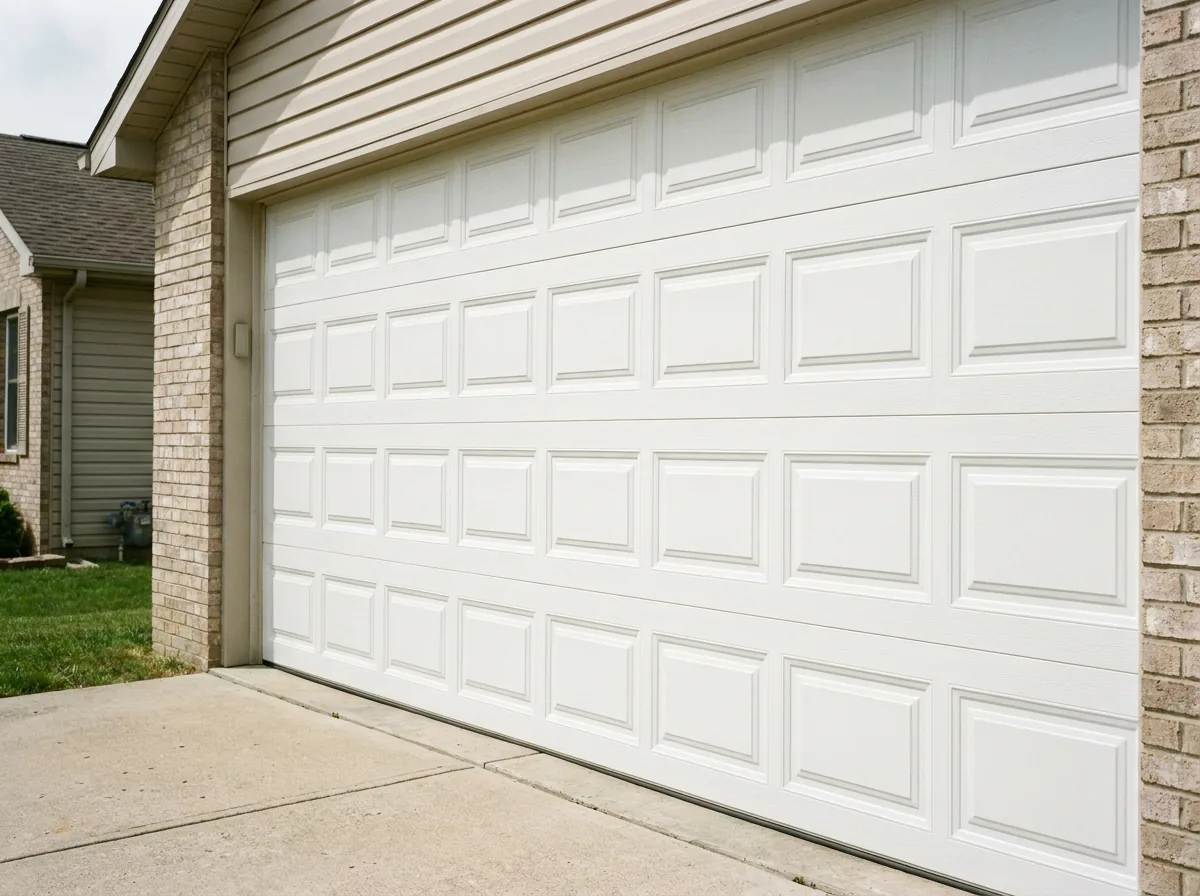
Steel is cheapest for a given size, strong, available insulated, and it is the material most impact-rated doors are made from. It needs little beyond washing and touching up scratches.
Two numbers matter on a steel door in Florida.
Gauge. 24 or 25 gauge for a family home. Builder grade doors are often 27 or 28 gauge, which is why so many ten year old doors in Riverview, Winter Garden and Lehigh Acres have a dent at bumper height and flex visibly in a stiff breeze. Lower numbers are thicker.
Galvanizing. The steel is hot-dip galvanized before it is painted, and the zinc coat is what stops rust when the paint is scratched. Ask what galvanizing the door carries and whether the finish is a baked-on primer and topcoat. Then treat it well: rinse salt off a coastal door with fresh water every few weeks, and touch up chips the month they happen rather than the year. Our article on rust and Florida humidity covers what to watch for.
The steel door guide goes deeper. Clopay and Amarr both make impact-rated steel lines with Florida Product Approval and Miami-Dade NOA options.
The coastal question: aluminum and impact glass
If you can smell the ocean, rust is your main enemy rather than dents. That covers Fort Lauderdale east of US 1, most of Cape Coral’s canal lots, Jupiter, Naples, Clearwater and every barrier island.
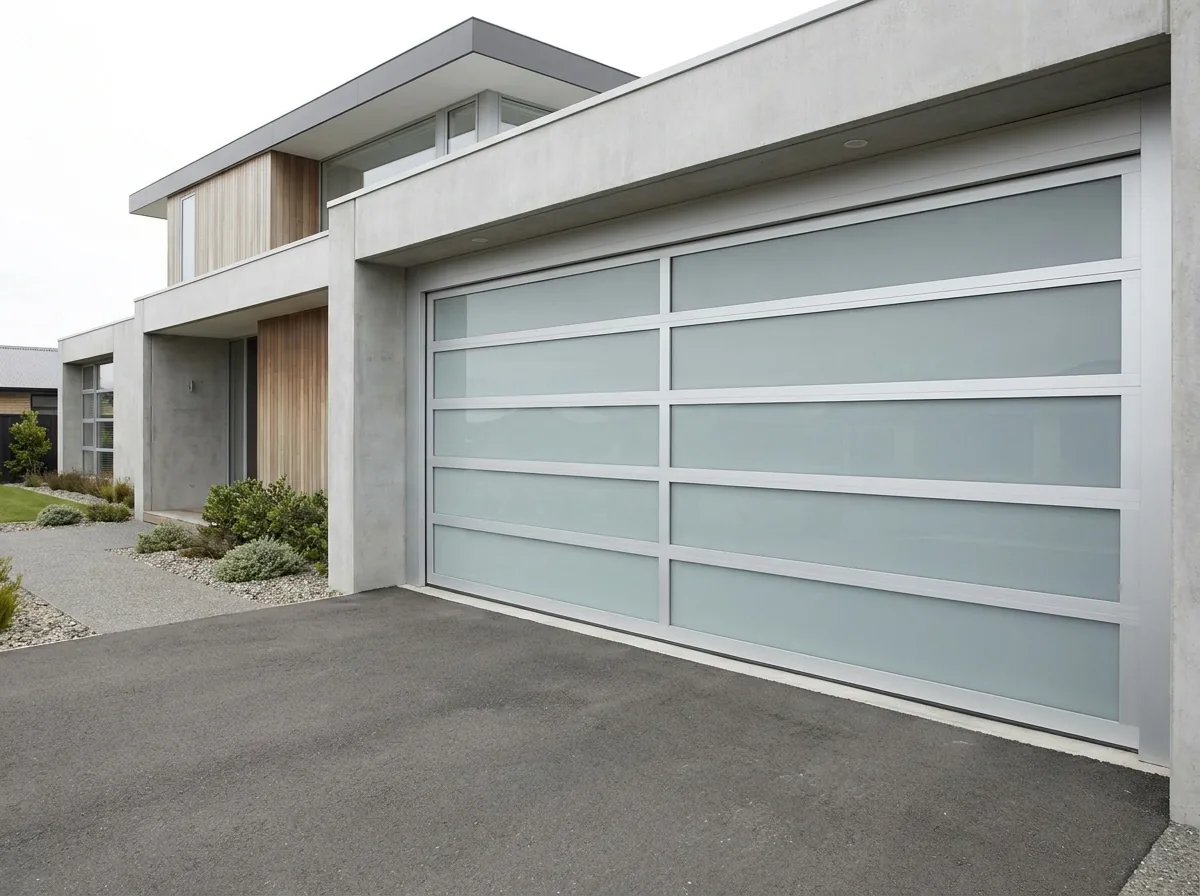
Aluminum cannot rust and is light, which is easier on the springs and opener. It dents more easily than steel. It is also the frame for the full view glass doors on modern remodels in Boca Raton, Naples and Palmetto Bay, and in Florida those doors are built with laminated impact glass, which is what makes them rated. A full view impact-rated aluminum door runs to $8,000 and above installed. See the aluminum door guide.
Either way, the hardware matters as much as the panel. Specify sealed nylon rollers and galvanized or stainless fixings, because those, the cables and the bottom brackets corrode long before the door does. Our article on salt air corrosion explains the order things fail in.
Wood, honestly
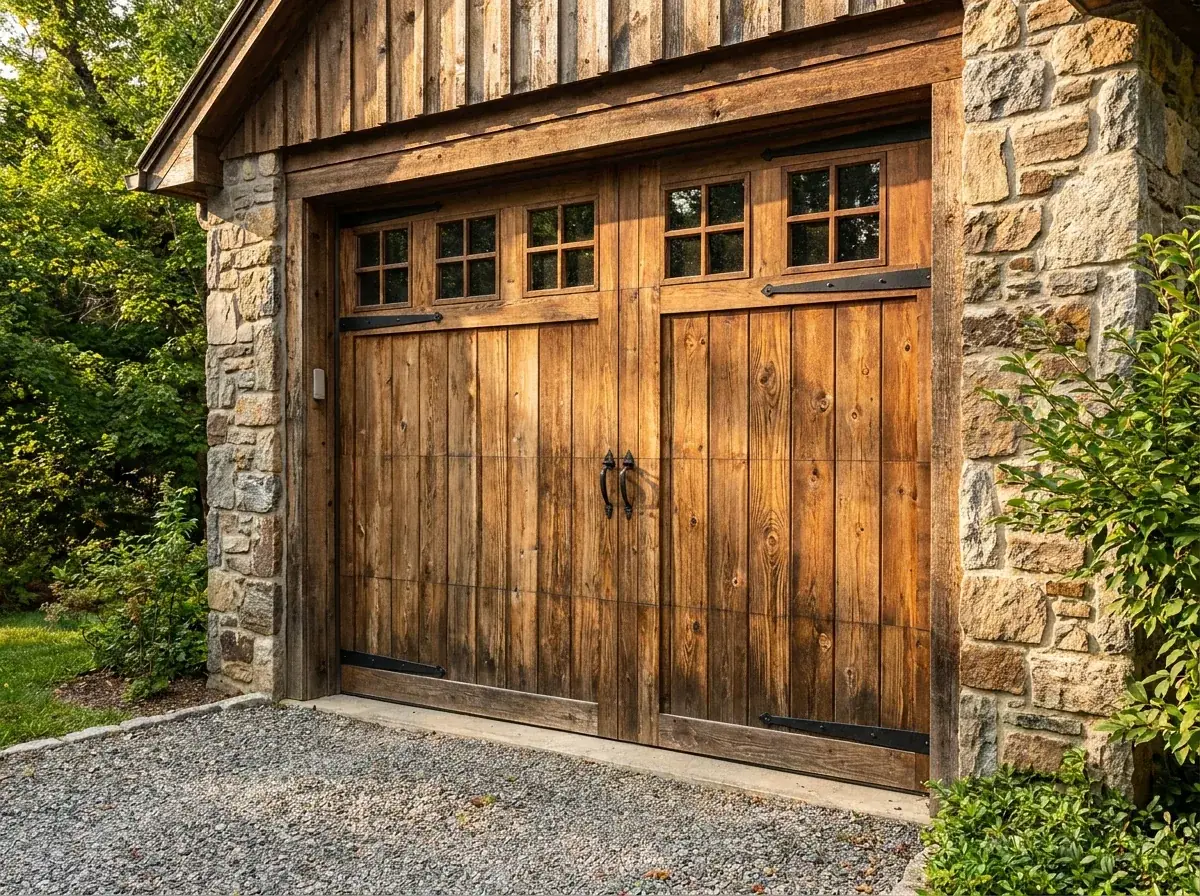
Nothing else looks right on a Coral Gables Mediterranean, a Winter Park bungalow or a Wellington equestrian property. Wood is also the material most often sold in Florida without a full explanation.
It weighs considerably more than steel, so it needs a heavier spring. It absorbs water from the afternoon rain that hits the bottom section daily for half the year. The sun breaks down the finish in a year or two, not three or four. And Florida has subterranean termites everywhere, including the Formosan colonies established in South Florida, which treat a wood door frame the same as any other softwood in contact with the slab.
A wood door here means refinishing every year or two, a termite contract that covers the garage, and a bottom section you inspect every spring. If you want the look without the commitment, a faux wood steel or fiberglass door gives you most of it. From the street the difference is usually invisible. See the wood door guide.
Fiberglass and the sun
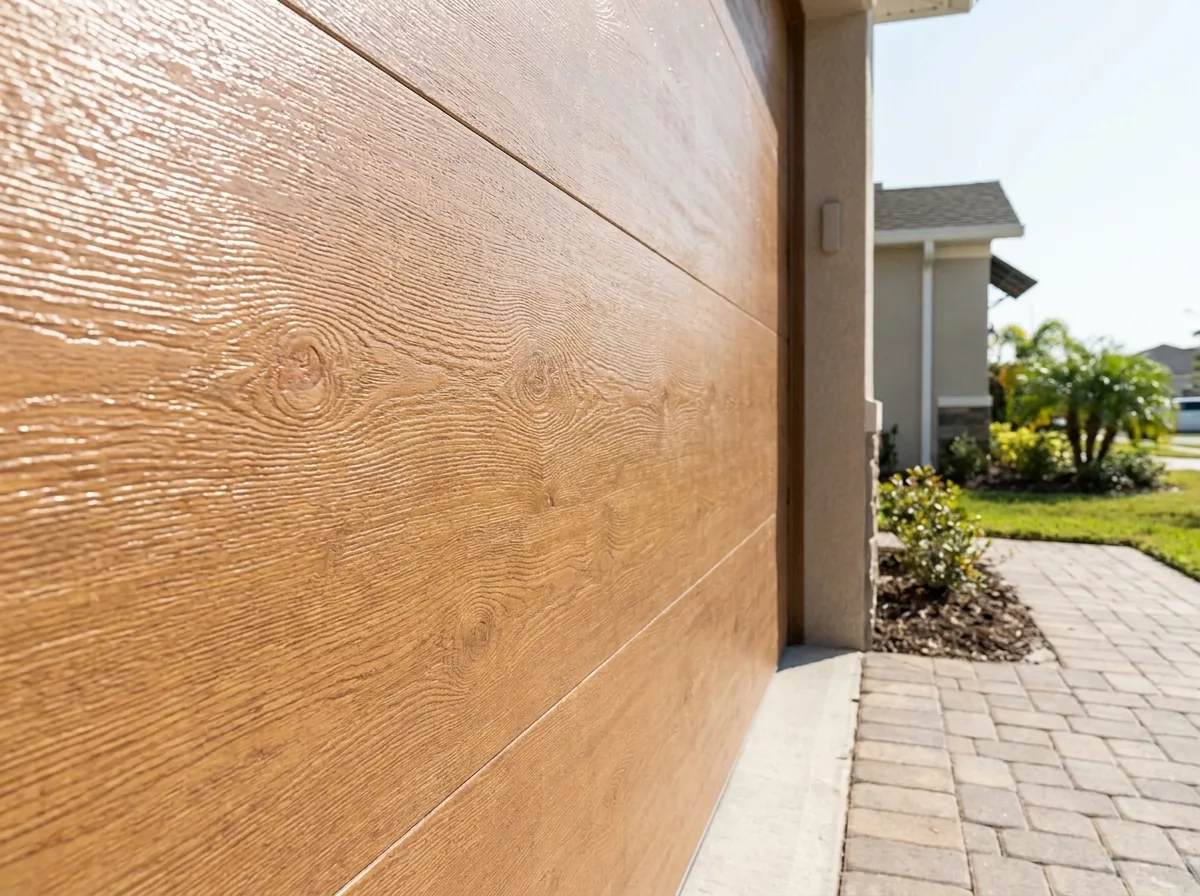
Fiberglass cannot rust, takes a convincing wood grain, and is a real option on the coast. Its weakness in Florida is UV. The gel coat chalks and fades under a decade of full sun, especially on a west facing door, and a dark stain shows it first. Buy a lighter finish, or plan to recoat it, and check that the door is a fiberglass skin over an insulated steel frame, which is the construction that carries a wind rating. See the fiberglass door guide.
Vinyl and the heat
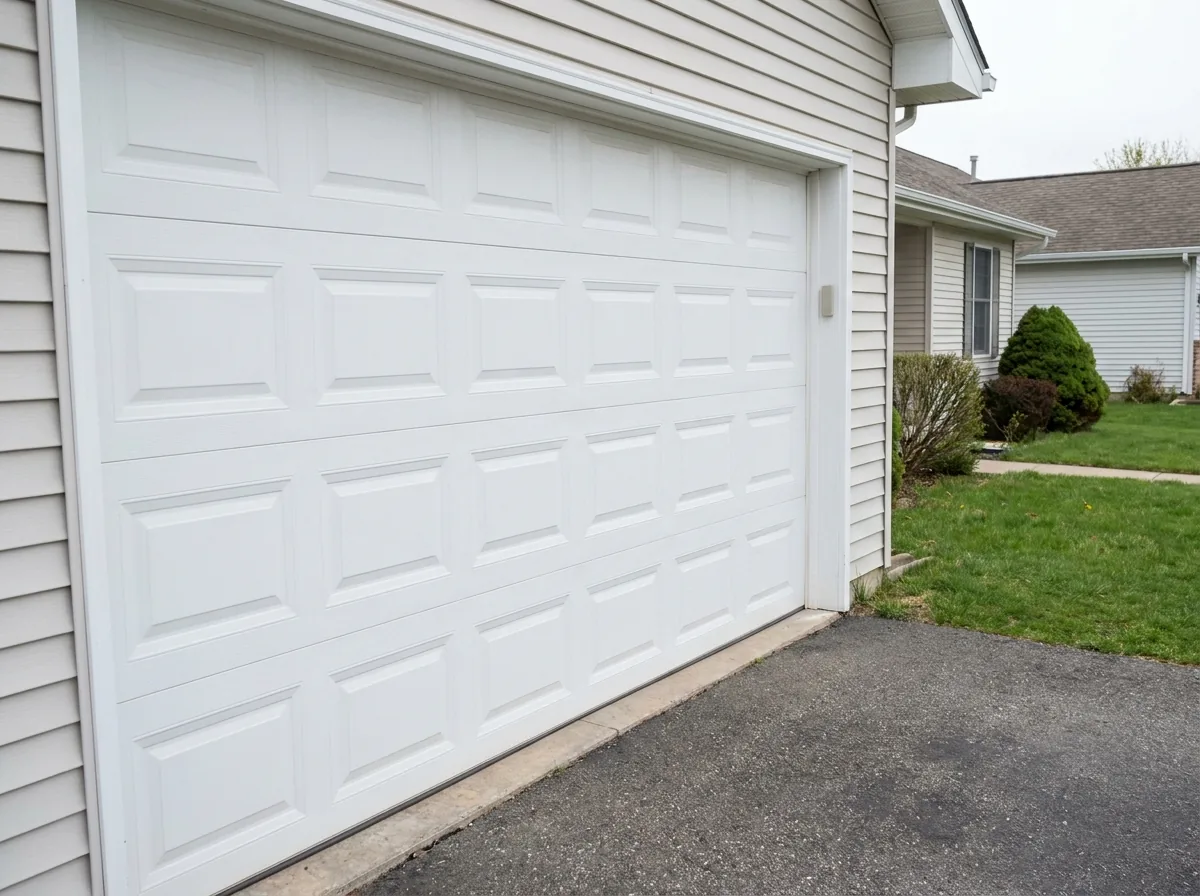
Vinyl flexes rather than dents, does not rust, and needs no refinishing. On a working garage with children, bikes and a boat trailer moving past the door, it is the most practical material available.
The trade-offs in Florida are heat and color. Vinyl expands in the sun and softens on a 100°F afternoon, so the door should be a reinforced construction and you should expect a little more movement in the tracks in summer. Colors are limited, light for a reason, and cannot be repainted. On a house where the door is part of the elevation, that rules it out. See the vinyl door guide.
The HOA, before you order
In Weston, Wellington, Wesley Chapel, Lake Nona, Parkland and most gated communities, the HOA architectural committee approves door style, color and windows, sometimes material, and occasionally the brand line. The approval takes days to weeks and the door cannot be ordered until you have it. Send them the drawing and color card with the approval number, get the sign-off in writing, and only then do we submit for the permit. A door installed without HOA approval is a door you may be asked to replace.
The rated version, whatever you choose
The Florida Building Code requires the door to be rated for the design wind pressure at your address. Outside Miami-Dade and Broward that is a Florida Product Approval. Inside those two counties, the HVHZ, it is a Miami-Dade NOA. A wind-rated door resists pressure; an impact-rated door is also tested against a large missile and is what most people mean by “hurricane door”.
Every material above is sold wind-rated. Steel and aluminum have the widest impact-rated ranges. Wood, fiberglass and vinyl doors that meet the rating do it with steel behind the face and there are fewer to choose from, so pick the rating first and the material second. Our guides to wind-rated versus impact-rated doors and HVHZ doors explain what the labels mean, and a rated door may qualify for a credit under Florida’s wind mitigation rules. Ask your insurer for the schedule.
Insulation, separately
Insulation is a choice you make on top of material, not instead of it. In Florida the reason is heat: get it if the garage shares a wall or a floor with a bedroom, or holds the air handler or a freezer. It also makes a steel door stiffer, and the stiffer construction is often the one that carries the higher rating. Our article on insulated versus uninsulated doors covers when it pays.
The one thing to check in any quote
Does the quote include a spring sized for the new door?
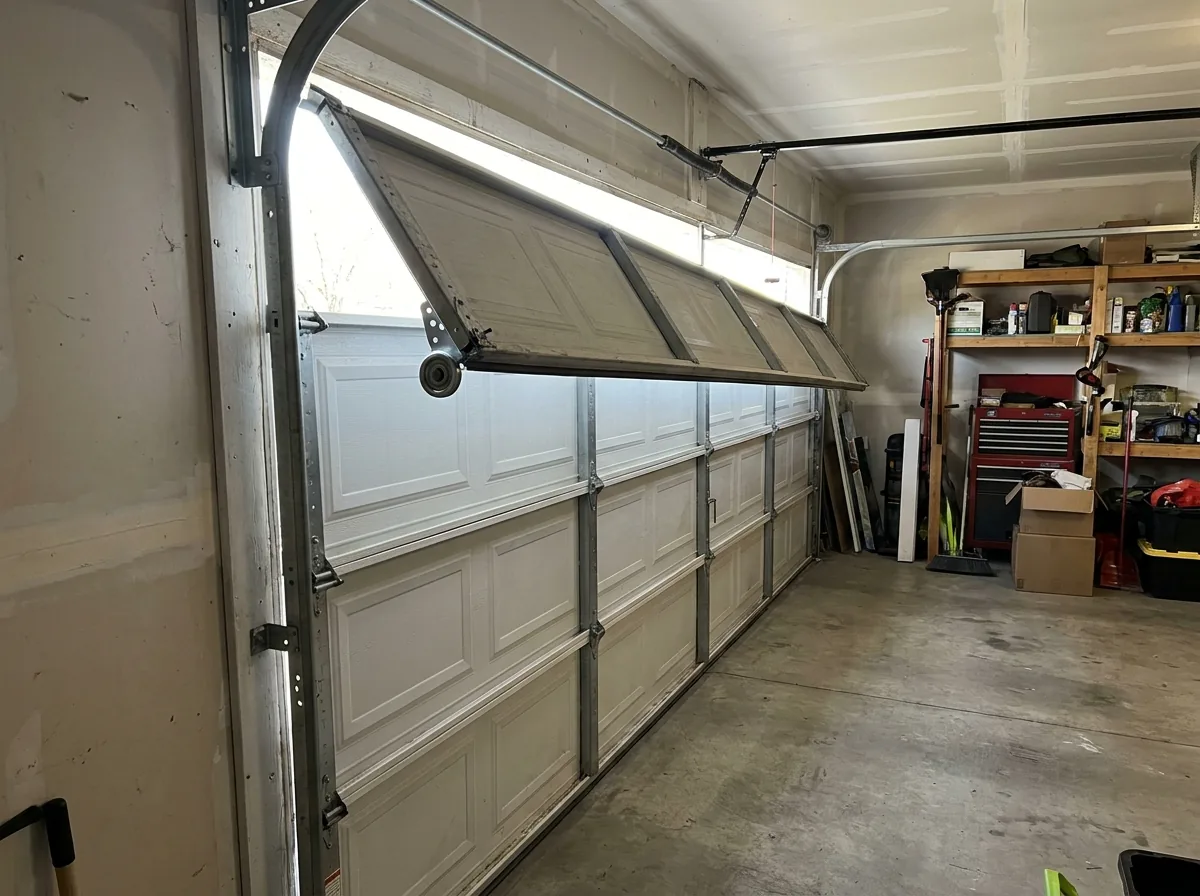
A rated door weighs more than the builder grade door it replaces, and an insulated one more again. Reusing the old spring leaves the new door permanently out of balance, hard to lift by hand and hard on the opener. A correct spring is part of a proper installation, not an extra. Our article on garage door weight has the numbers.
Related reading
- New garage door cost in Florida
- Hurricane-rated garage door cost
- Best time to replace a garage door in Florida
- Repair or replace a garage door
Related questions
What gauge steel should I ask for?
24 or 25 gauge for a family home. Builder grade doors across the newer subdivisions are often 27 or 28 gauge, which dents from an ordinary knock and flexes under wind. Lower numbers mean thicker steel. Impact-rated steel doors are thicker again and reinforced with struts.
Which material holds up best near the ocean?
Aluminum and fiberglass do not rust. Galvanized steel with an intact factory finish holds up well too, but every scratch is a place for rust to start, and within a few miles of the coast the hardware, springs and bottom brackets go before the panels do. Specify stainless or galvanized fixings and sealed nylon rollers whatever the door is made of.
Is wood a bad idea in Florida?
Not bad, but demanding. Wood absorbs moisture in the daily afternoon rain, the sun cooks the finish, and subterranean termites are present across the state. A wood door here needs refinishing every year or two and a termite contract. A faux wood steel or fiberglass door gives most of the look with none of that.
Does my HOA get a say in the material?
Almost always, in the newer communities. Most HOA architectural rules cover door style, color, windows and sometimes material, and approval is needed before the door is ordered. Send the HOA the door drawing and color with the approval number and get their sign-off in writing before we submit for the permit.
Does every material come in a hurricane-rated version?
Every material is sold in a wind-rated version with a Florida Product Approval. Steel and aluminum have by far the widest range of impact-rated options, including Miami-Dade NOA doors for the HVHZ. Wood, fiberglass and vinyl doors that carry a rating do it with steel reinforcement behind the face, and there are fewer of them, so ask for the approval number before you fall for a style.
Does the material affect the spring?
Yes. Spring size is set by door weight, and materials differ substantially. A wood door can weigh half again what a steel one does, an impact-rated door is heavier than the standard version of the same door, and each needs a spring sized for it.