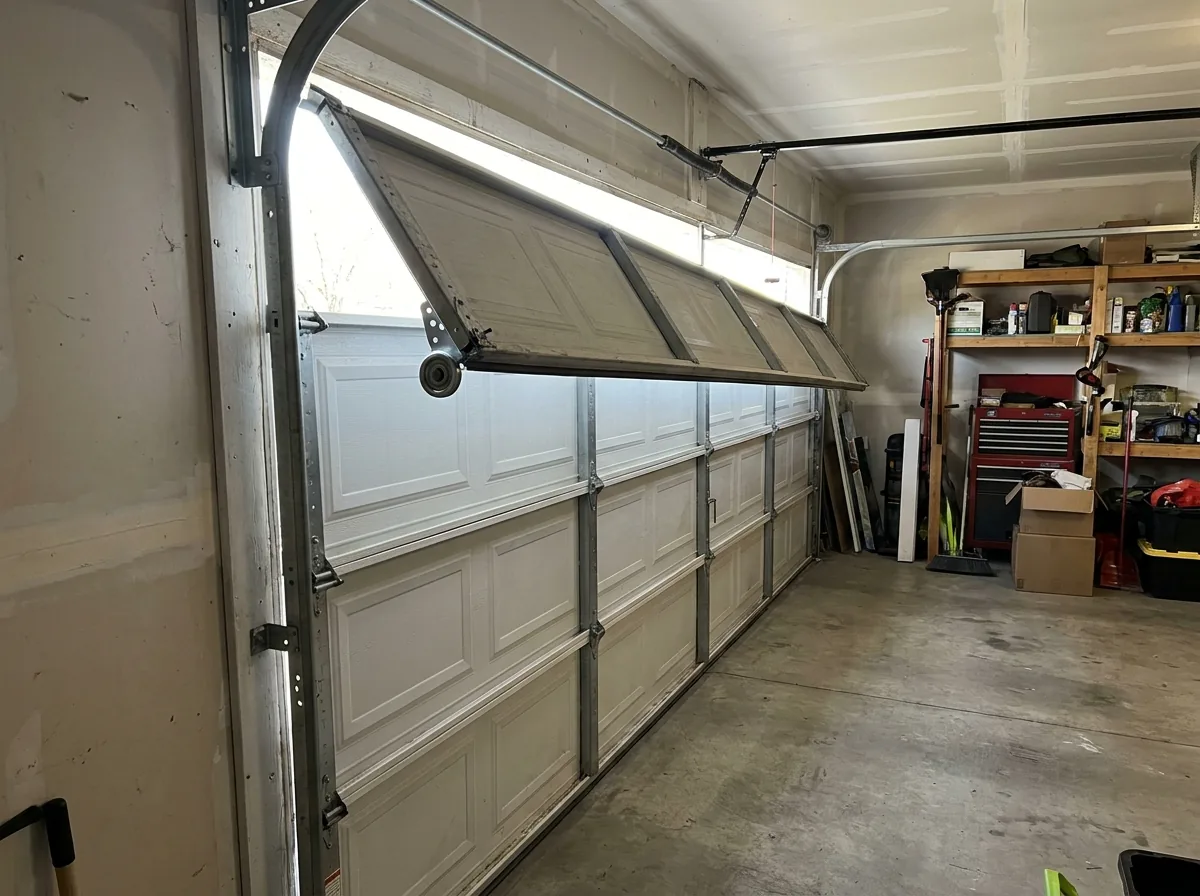
Garage Door Bottom Seal
The bottom seal is the flexible rubber or vinyl strip along the bottom edge of the door that closes the gap against the floor. In Florida it is doing more work than anywhere else: keeping out wind-driven rain, palmetto bugs and lizards, and a good part of the heat. It hardens, cracks and tears, and it is genuinely the one part on this site we suggest you try replacing yourself.
Covered by Garage Door Tune-Up & Maintenance · from $85
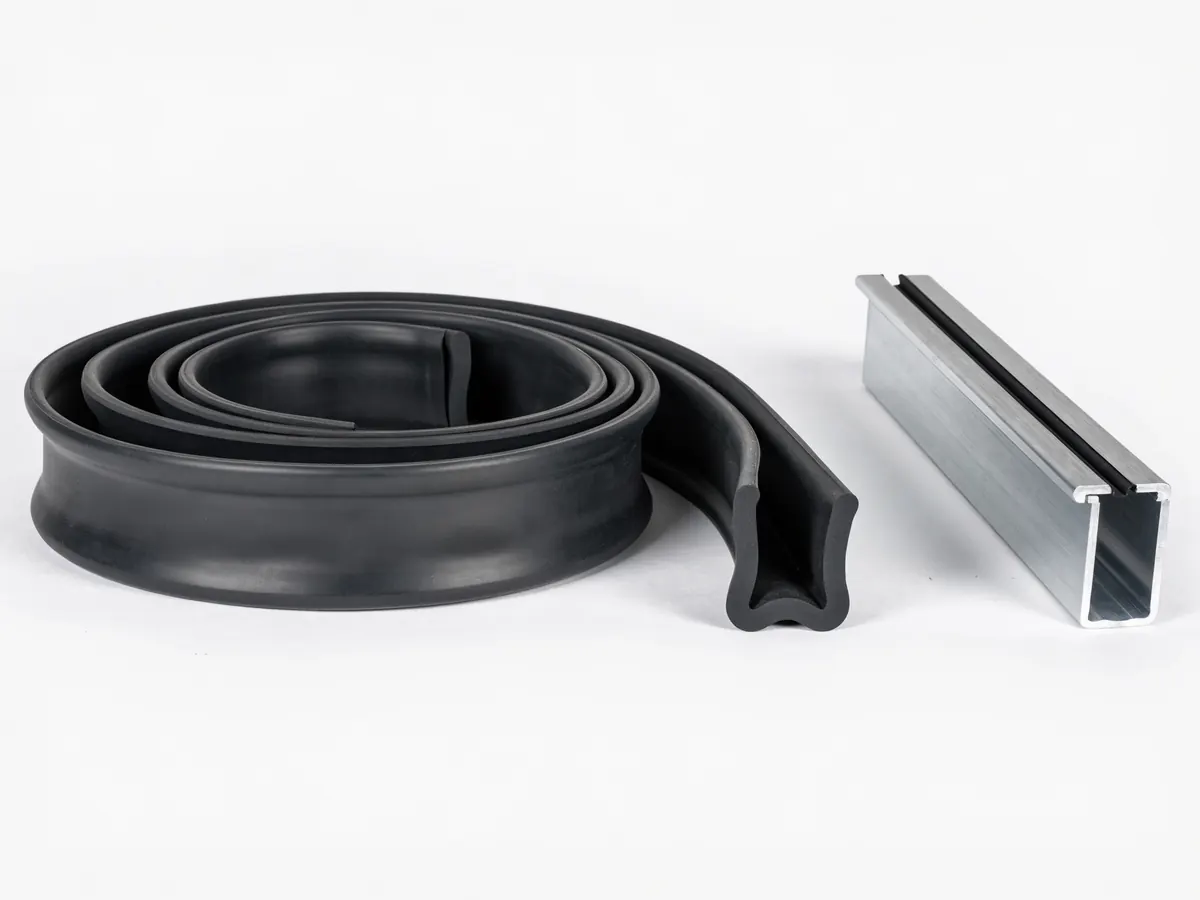
Most Florida doors use a T-end or bulb seal that slides into a retainer track fixed along the bottom of the bottom panel. The seal is flexible so it can squash into the unevenness of a concrete slab that is never perfectly flat.
What it is holding back here is worth being specific about. Driving rain in an afternoon storm arrives horizontally, and a failed seal is how water gets across the garage floor. It is also the front door for palmetto bugs, ants and small lizards, and it is a real part of how much the garage heats up.
It is also the cheapest thing on the door and the easiest to check. Close the door, go inside, turn the lights off in the daytime and look along the bottom. Daylight along the edge is a failed seal.
How to tell this part has failed
- Daylight visible along the bottom of a closed door
- Water crossing the garage floor after a storm
- Insects, lizards or leaves getting in with the door shut
- The rubber is hard, cracked, split or torn
- The seal has pulled out of its retainer at one end
- The garage runs noticeably hotter than it used to
Why it fails in Florida
Ultraviolet light is the main cause here. A south or west facing door in Florida sun bakes the rubber until it loses its flexibility, and a seal that cannot squash cannot seal.
Heat cycling compounds it. The rubber expands and contracts every day, and after a few years of that the material cracks along the flex line.
The slab plays a part. Florida slabs settle, and a floor that has developed a dip leaves the seal bridging a gap it was never sized for, so that section wears through first.
Can you do this yourself
Yes, this one you can do
This one you can genuinely do. There is no spring tension involved, nothing is under load, and the whole job is sliding the old seal out of its retainer and the new one in with a little soapy water as lubricant. Measure the door width, take the old piece with you so you can match the T-end or bulb profile, and do it on a cool morning when the rubber is not soft. If your retainer track itself is bent or corroded, that part is worth a technician.
Starting prices for a standard single door. Your final price depends on the door, the model, the wind rating a replacement needs and what we find. You get a written quote before any work starts.
Have a technician bring this part
Leave your details and we call you back to confirm the part, the price and a time. The technician arrives with it on the truck.
Garage Door Bottom Seal
Not sold separately. Price shown is fitted, by a technician who brings the part.
(561) 897-9930Frequently Asked Questions
Will a new bottom seal stop water coming in?
It stops most of it, and it will not fix everything. If the water is coming under the seal because the rubber has failed, a new seal solves it. If your slab slopes toward the garage or has settled into a dip, the seal is bridging a gap and you may also need a threshold strip bonded to the floor. We can tell which one you have by looking at where the water actually enters.
What is the difference between the bottom seal and weather stripping?
The bottom seal runs along the bottom edge of the door against the floor. Weather stripping is the flexible strip on the door jambs and the header, sealing the sides and the top against the frame. They fail for the same reasons in this climate and they are usually worth doing at the same visit.
How do I know which profile to buy?
Take the old one with you. Slide a few inches out of the retainer and match it in the shop, because the T-end, bead and bulb profiles look similar and do not interchange. Also measure the full door width rather than assuming a standard, since a seal cut short leaves exactly the gap you were trying to close.